

FAQ
MENU CLOSE

History of UZUMASA KYOTO VILLAGE

HISTORY

1897
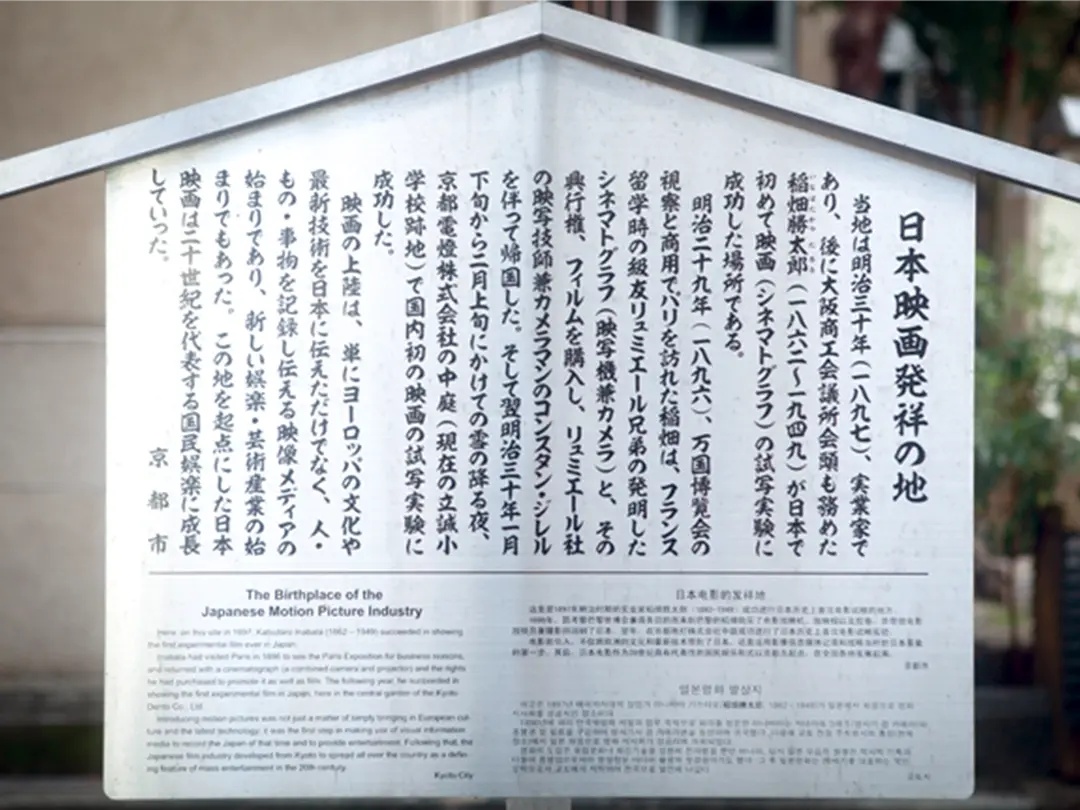
"Birthplace of Japanese Film" plaque (Kiyamachi Former Rissei Elementary School)
Photo provided by Kyoto City Media Support Center
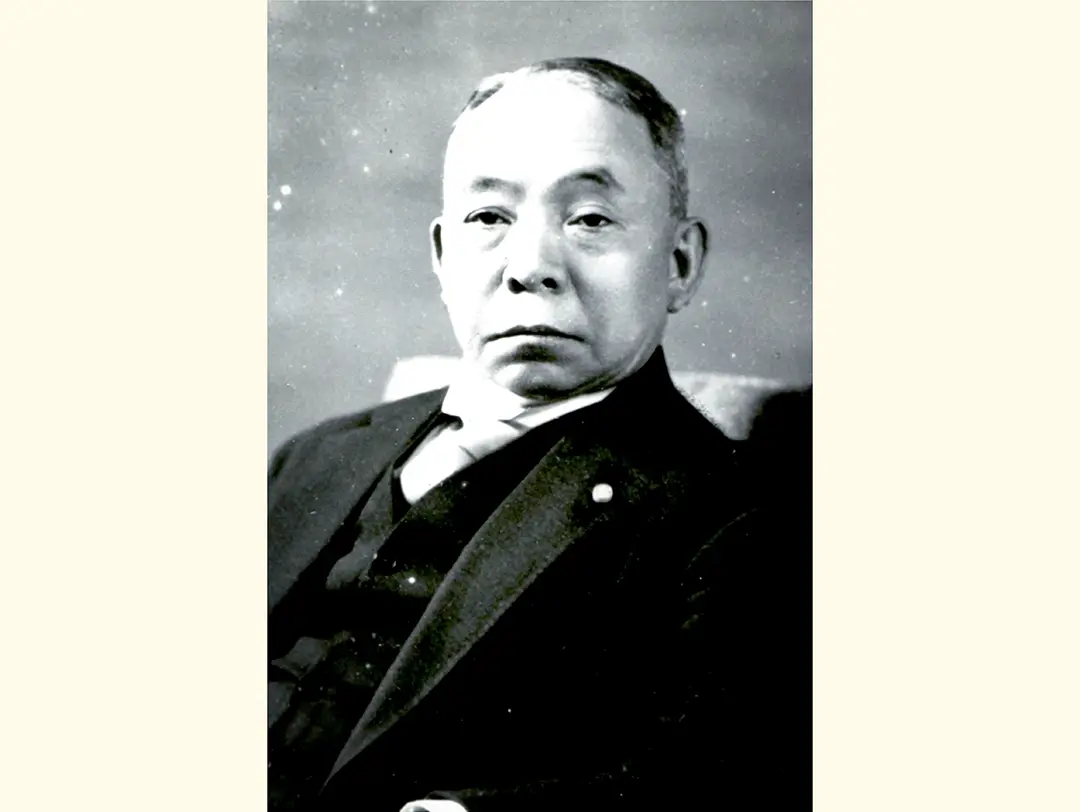
Mr. Katsutaro Inabata

The origins of Japanese cinema and Kyoto

It is said that the beginning of cinema around the world was in 1895, when the cinematograph invented by the Lumiere brothers was shown to the public for a fee at the Grand Café in Paris. *There are various theories. Two years later, Inabata Katsutaro, who had come to Paris from Nishijin, Kyoto to study, was a classmate of the Lumiere brothers, and when he returned to Japan he brought back a cinematograph, and held Japan's first preview screening in Kiyamachi, Kyoto, which is why Kyoto is said to be the birthplace of Japanese cinema.
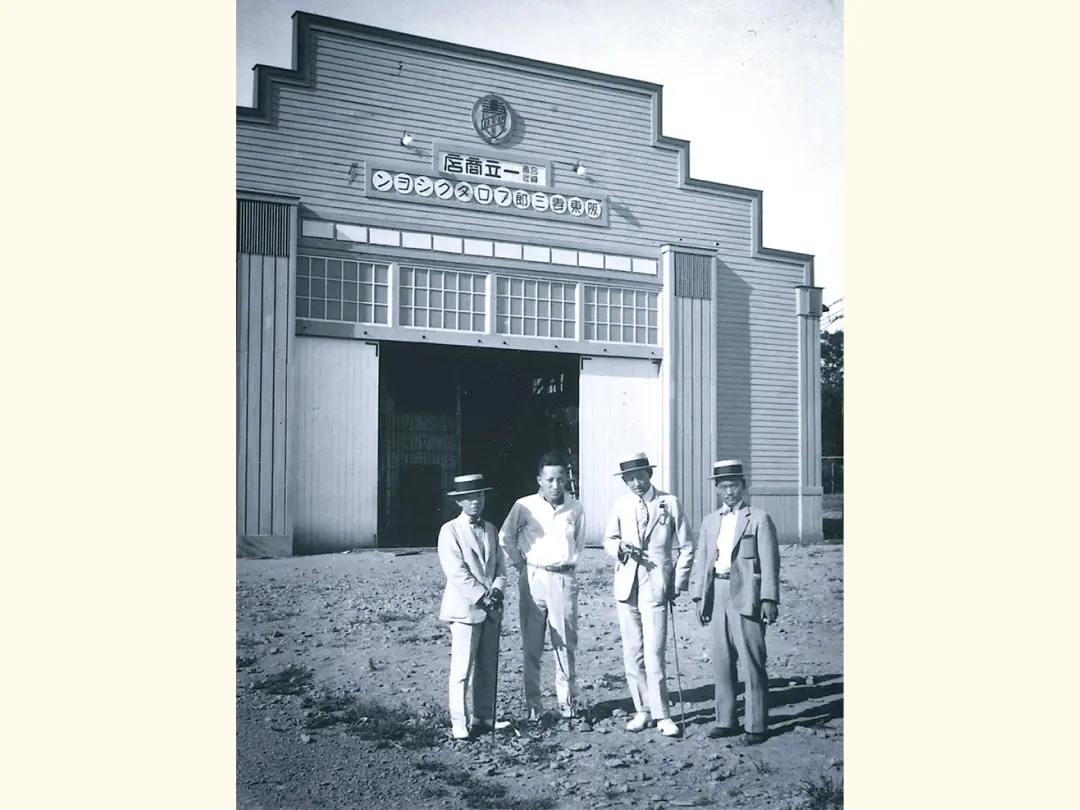
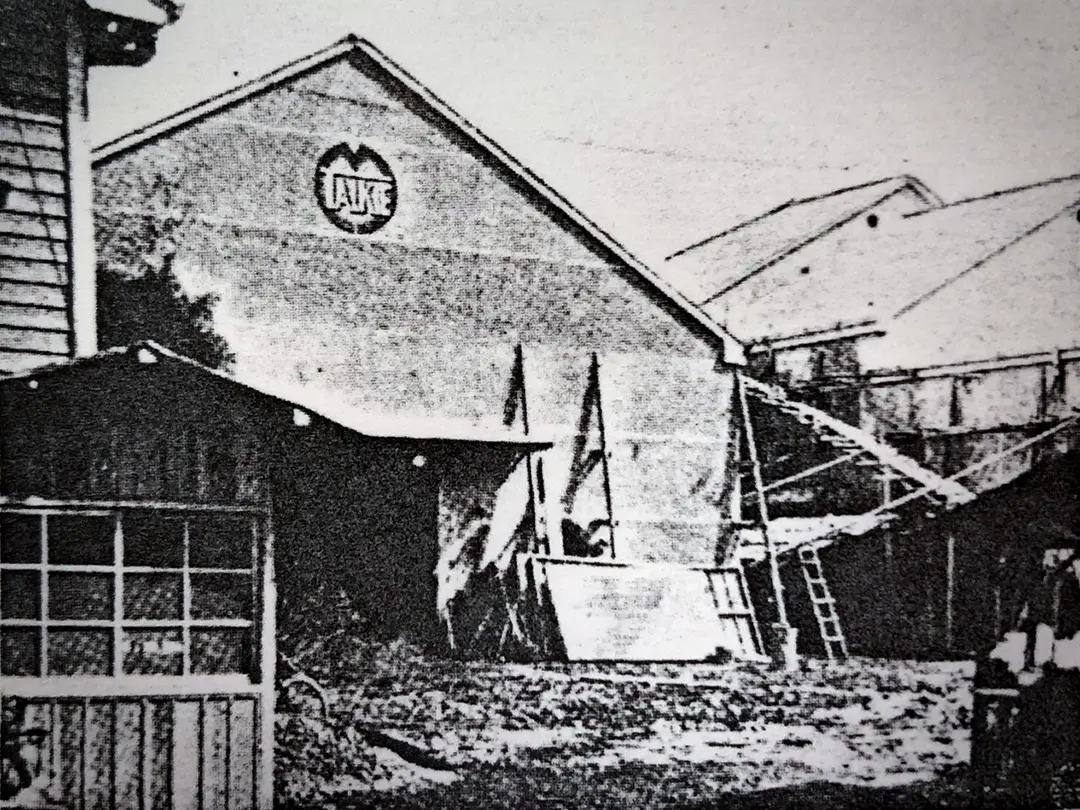
1926
1926 (Taisho 15) Bantsuma Productions Uzumasa Film Studio
(Current location of Toei Studios Kyoto / Toei Kyoto Studios)
Around 1935 (Showa 10) Makino Talkie Manufacturing
(Current location of Shochiku Kyoto Studio)

At its peak, there were eight locations.
The birth of Uzumasa, Japan's Hollywood

Over time, film, which was cutting edge technology at the time, encountered a variety of cultural heritage sites, including the performing arts unique to Kyoto, and established a new genre called "Jidaigeki (period drama)." 100 years ago, in 1926, the then 24-year-old young star Bando Tsumasaburo pioneered the bamboo grove of Uzumasa as a start-up and opened a film studio, which became the base for this trend. This prompted many actors and staff to move in, and at its peak, eight film studios were established, leading to Uzumasa being known as the Hollywood of Japan.

1950
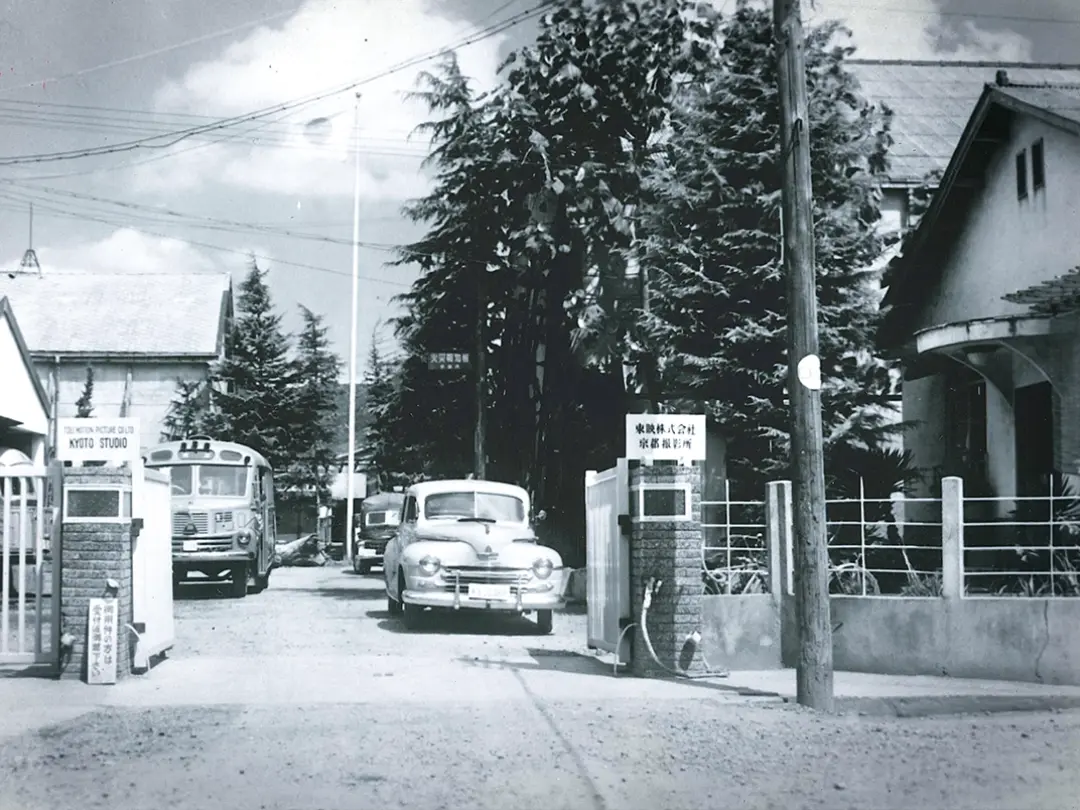
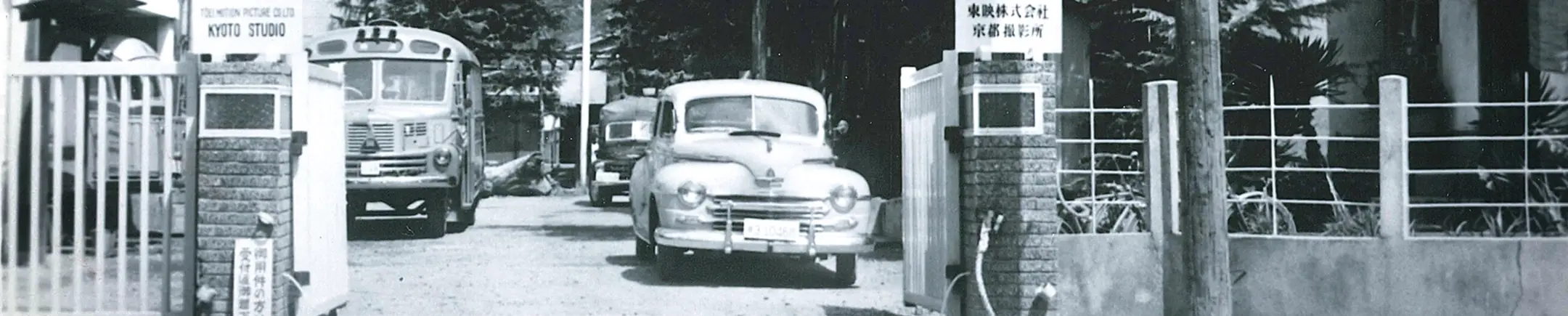
The main gate Toei Studios Kyoto / Toei Kyoto Studios around 1951
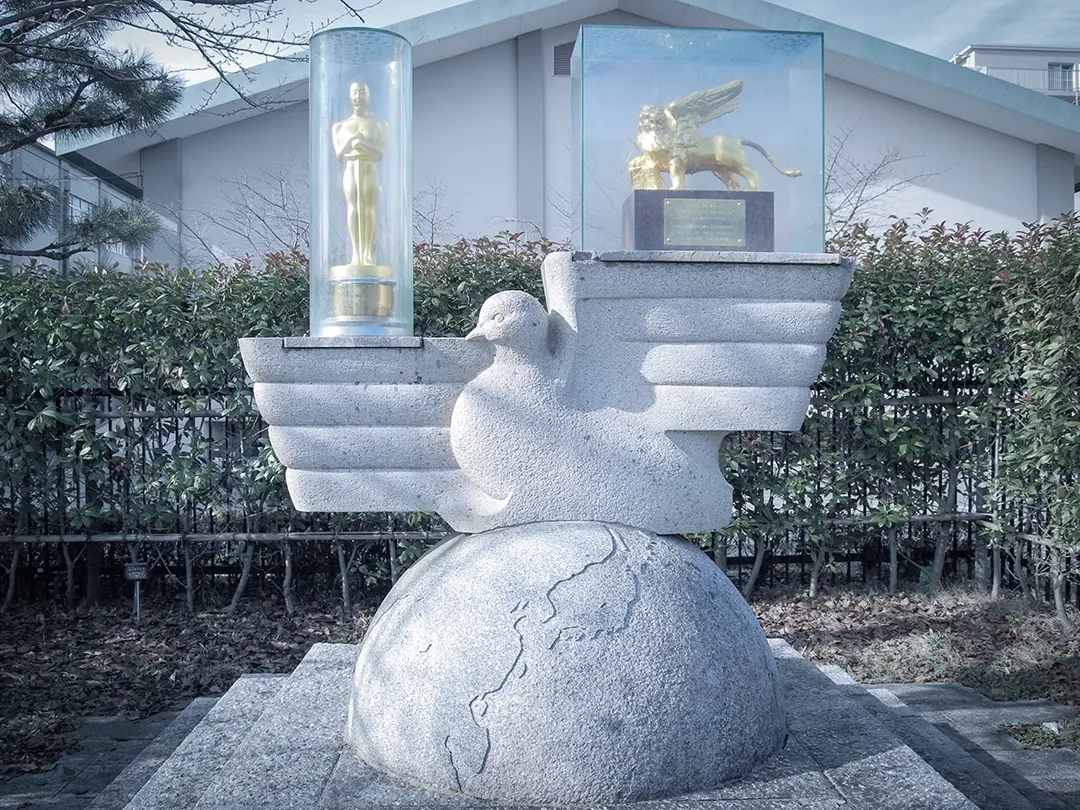
Venice International Film Festival Award Monument for the film "Rashomon"
Photo provided by Kyoto City Media Support Center

To the international film city "Kyoto"

After World War II, the production of Jidaigeki (period drama) stagnated for about seven years due to the ban on sword fighting films, but Hollywood in Japan began to revive. In 1951, director Akira Kurosawa's Rashomon, filmed at Daiei Kyoto Studio, won the Grand Prix at the Venice International Film Festival, and from then on, until Toei Kyoto's Cruel Tale of Bushido won the Golden Bear at the Berlin International Film Festival in 1963, Jidaigeki (period drama) made in Kyoto won numerous top prizes at the world's three major film festivals, bringing hope for the arrival of a new era to people who had been deeply scarred and lost confidence during the war.

"Made in Kyoto" Jidaigeki (period drama)
List of Award-winning Works

year Awards the work company
1951 Venice International Film Festival (Italy) Grand Prix Rashomon/Akira Kurosawa Daiei Kyoto
1953 Venice International Film Festival (Italy) Silver Lion Tales of Ugetsu/Kenji Mizoguchi Daiei Kyoto
1954 Venice International Film Festival (Italy) Silver Lion Sansho the Bailiff/Kenji Mizoguchi Daiei Kyoto
1954 Cannes Film Festival (France) Palme d'Or Gate of Hell/Teijinsuke Kinugasa Daiei Kyoto
1963 Berlin International Film Festival (Germany) Golden Bear The Cruel Tale of Bushido/Tadashi Imai Toei Kyoto
1975
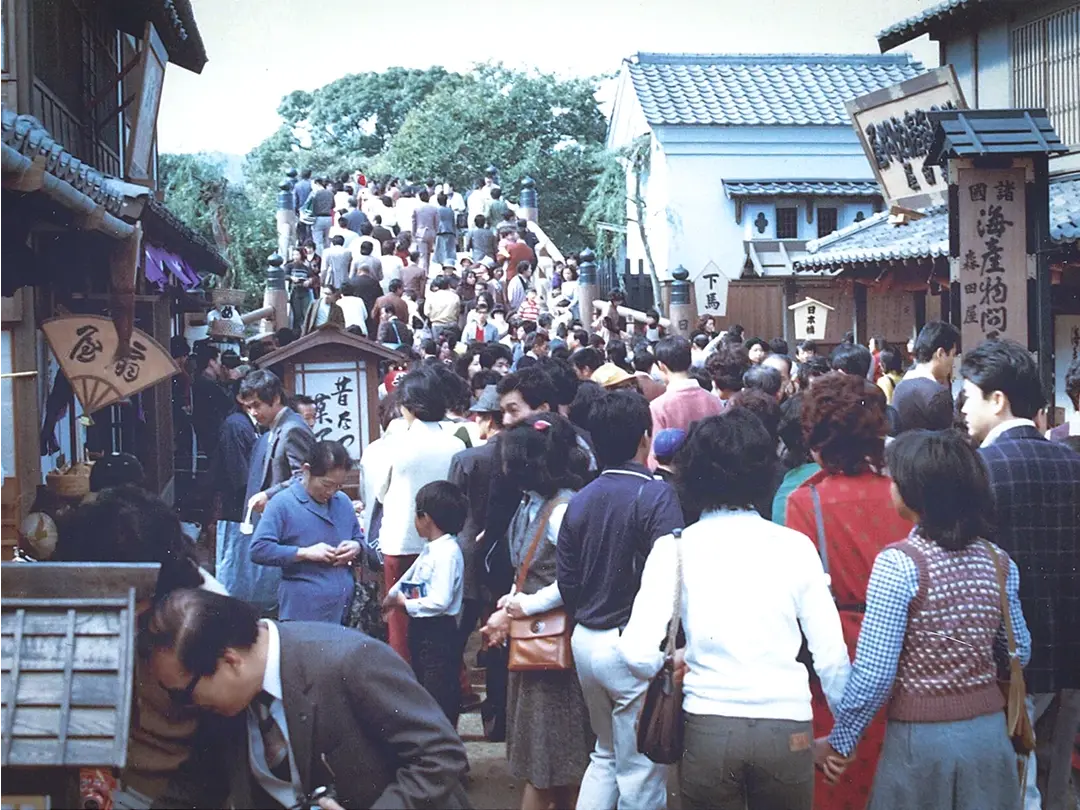
UZUMASA KYOTO VILLAGE shortly after it opened
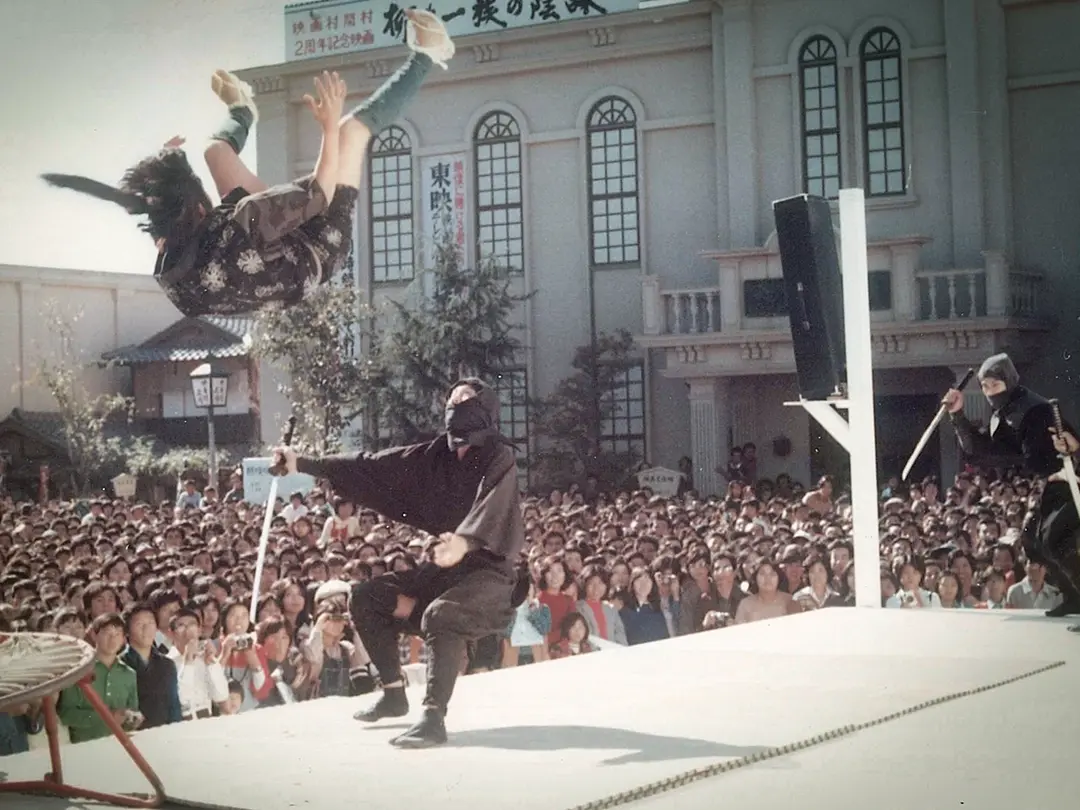
Campaign for the movie "The Yagyu Clan's Conspiracy"

Don't let the light of Japanese movies and Jidaigeki (period drama) go out from Kyoto!

Kyoto, an international film city that had entered its golden age, experienced a sharp decline in film production due to the rise of television. Daiei's Kyoto Studio, which had made spectacular achievements overseas, went bankrupt, and Toei Studios Kyoto / Toei Kyoto Studios, which boasted one of the largest film studios in Japan and the largest number of films produced in the world, faced closure. Under such circumstances, under the slogan "Keep the light of Japanese movies burning! the studio's outdoor studios were opened to the public as a new way of life. The first theme park in Japan where visitors can observe live filming was born at Toei UZUMASA KYOTO VILLAGE. UZUMASA KYOTO VILLAGE The blockbuster success of the "The Movie!" led to a resurgence of major film production. The production of over 2,000 films and 9,000 episodes of TV dramas have been produced so far, and now that we are entering the era of international distribution, the world is once again looking at "Jidaigeki (period drama)" with keen interest.

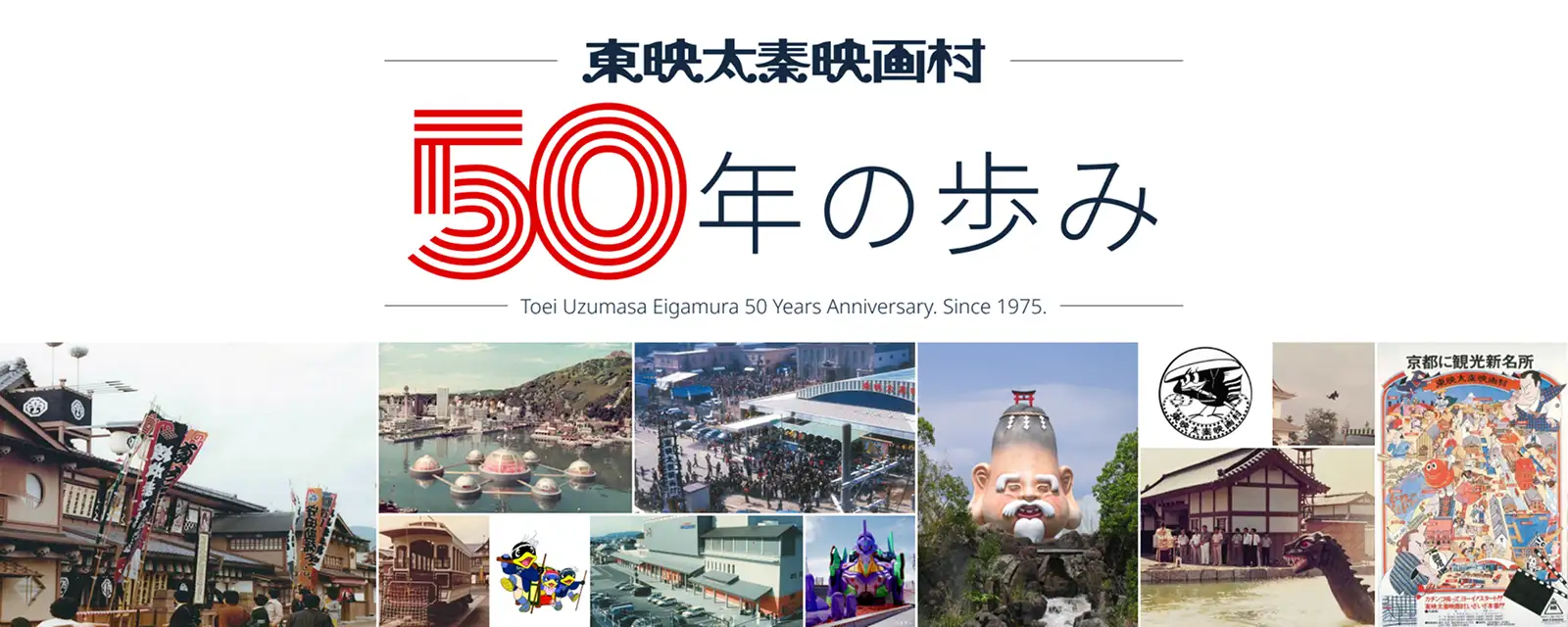
Toei UZUMASA KYOTO VILLAGE 50 Years of History